The Rise of the Modern Gin Bar NYC Cocktail Culture
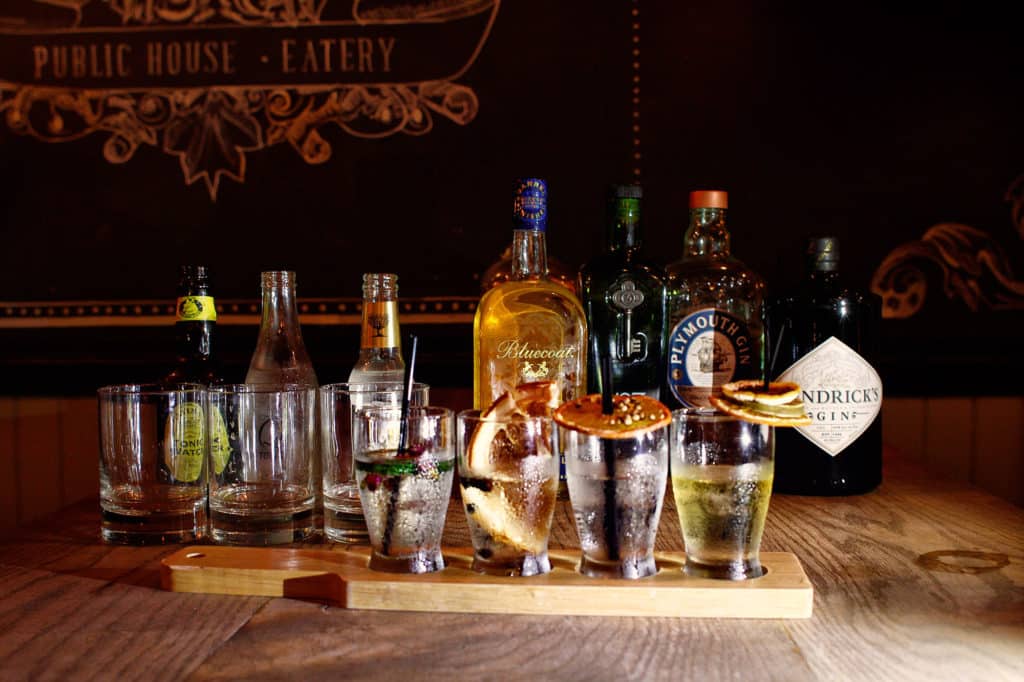
New York has never needed help building a nightlife identity. The city has lived through every cycle a drinking culture can offer, from hotel bars with polished silver shakers to dive rooms pouring whiskey shots with no ceremony at all. Yet over the past decade or so, one change has been especially noticeable to anyone who spends real time in the trade or simply pays attention from the barstool. Gin, long treated as either a classic spirit or a niche preference, has returned to the center of the conversation. With it has come a more focused, more ambitious kind of venue: the modern gin bar.
The phrase Gin Bar NYC once might have sounded narrow, even limiting. In practice, it now signals something broader. It suggests a bar that respects cocktail history without getting trapped in it, a room where the backbar is curated with intent, and where gin is not reduced to one London dry bottle that sits beside Gin Bar NYC vodka and rum as an obligation. In New York, where bars survive only by offering a strong point of view, gin has become a remarkably flexible foundation for creativity.
That rise did not happen by accident. It reflects shifts in taste, staffing, supply chains, design, and the wider way city drinkers think about going out. Modern gin bars in NYC are not merely serving martinis and gin and tonics. They are reframing what gin can be, how cocktails are built, and why guests choose one bar over another in a crowded market.
Why gin found a second life in New York
For years, vodka dominated large sections of New York cocktail culture because it was easy to sell. It was neutral, familiar, and low risk for guests who wanted a clean spirit with no surprises. Gin, by contrast, asked for more trust. It brought juniper, citrus peel, florals, pepper, roots, seeds, and often a slight edge that some drinkers read as old fashioned. For a generation raised on sweet drinks or simple mixed pours, that complexity could feel like work.
What changed was not just the spirit itself, though distillers certainly expanded the category. What changed was the guest. New Yorkers became more adventurous, more educated, and more willing to ask questions. Once diners learned to care where oysters came from, which farm grew the greens, or why one olive oil tastes grassy and another peppery, it was only a matter of time before they brought that same curiosity to the glass. Gin benefited from that shift because no major spirit wears its botanical makeup so openly.
A good bartender can pour two clear liquids side by side and explain why one gin smells like grapefruit and coriander while another leans resinous and dry. That conversation is easier now because guests are ready for it. They are not looking only for strength or sweetness. They want profile, texture, length, and balance. Gin rewards that kind of attention.
New York also helped create the conditions for gin’s rise by nurturing a serious cocktail workforce. The city’s better bars trained a generation of bartenders who understand classics deeply enough to play with them responsibly. When your staff knows why a fifty-fifty martini works, what quinine contributes to tonic, or how vermouth oxidizes over time, gin becomes a more dynamic tool. It is no longer an old spirit with baggage. It is a canvas.
The modern gin bar is not a theme bar
One reason the category has gained respect is that the best gin bars do not feel gimmicky. They are not museums of British nostalgia, nor are they all dressed in predictable Art Deco cues with crystal balloons and cucumber wheels on every drink. The stronger operators know that a modern gin bar in NYC has to fit New York first and the category second.
That usually means the room feels edited rather than theatrical. Lighting matters. Ice matters. Glassware matters. But the real signature lies in how the menu communicates confidence. Instead of listing endless flavored gin and tonic variations, the sharper bars build a program with range. A bright highball might sit beside a savory martini, a citrus-forward Collins variation, and a stirred drink that uses sherry, amaro, or eau-de-vie to deepen the spirit’s edges. The point is not to prove how many gin drinks a bartender knows. The point is to show what gin can do across formats.
This is where New York’s influence becomes obvious. The city rewards bars that understand pacing. At 6:30 p.m., a guest may want something brisk, bitter, and refreshing before dinner. By 10:00 p.m., the same room needs drinks with more mood and weight. A strong gin program handles both. It can move from a delicate aperitif to a stern martini without breaking identity.
That versatility gives gin bars an advantage over more single-note concepts. Tequila bars often skew festive. Whiskey bars can become heavy. Wine bars live or die on turnover and staff knowledge. Gin bars, when done well, can borrow the freshness of a wine bar, the technical discipline of a cocktail den, and the conviviality of a neighborhood spot. That hybrid quality suits NYC, where many guests want excellence without ceremony.
The martini changed everything
It is impossible to discuss the rise of gin bar culture in New York without talking about the martini’s return as a social ritual. The martini never vanished, but it did spend years either oversold or misunderstood. Oversized vodka versions, candy riffs, and ultra-cold dilution-free pours muddied the category. What brought it back was a more disciplined approach.
The current martini revival has done more for gin than almost any marketing campaign could. When bars began serving precise freezer martinis, cleaner vermouth programs, better garnishes, and intentional house ratios, guests rediscovered what gin contributes to the drink. Juniper gives a martini spine. Citrus botanicals add lift. Spice creates a lingering finish. A vodka martini can be elegant, but a gin martini tells a fuller story.
I have watched this play out countless times in serious cocktail rooms. A guest orders vodka by habit. The bartender asks a few good questions, maybe about texture or dryness, and offers a gin split or a softer style gin with a restrained botanical profile. The guest hesitates, takes the first sip, then stops talking for a second. That pause matters. It is the moment preference expands.
Once a bar earns trust with a martini, the rest of the gin list becomes easier to explore. Guests who convert through that doorway often move naturally into gimlets, martinez variations, white negronis, and tonic builds they once would have ignored. One very polished classic becomes the gateway to an entire category.
Tonic is no longer an afterthought
The humble gin and tonic also deserves more credit than it usually gets. In a weaker bar, tonic is just cold fizz from a gun. In a serious gin bar, tonic becomes a structural ingredient. Its bitterness, sweetness, carbonation, and aromatic profile directly shape the final drink.
That change has elevated the entire category. Better bars now think carefully about the tonic-to-gin ratio, the size and density of ice, the expression of citrus oils, and whether a garnish adds perfume or just visual clutter. A sprig of rosemary can overwhelm a subtle gin. A thick slab of grapefruit peel can sharpen one style and flatten another. These details sound minor until you taste the difference side by side.
New York drinkers have shown they will pay for that difference if the execution is obvious. Nobody wants to spend cocktail-bar prices for branded glassware and little else. But if the gin and tonic arrives balanced, vivid, and thoughtful, it earns its place. In busy service, that matters too. Not every great bar order should require seven touches and a smoke cloche. A strong gin and tonic can move quickly while still signaling standards.
Distillers gave bartenders more tools
The rise of the modern gin bar also tracks with the expansion of gin styles themselves. Twenty years ago, many menus treated gin as if it were one flavor family with slight variations in proof and brand prestige. That no longer works. The spectrum is too broad.
London dry still anchors many cocktail programs because it brings clarity and structure. Yet bartenders now have access to contemporary gins that soften juniper and push citrus, florals, herbs, seaweed, tea, or spice. Some are excellent in martinis. Some collapse under vermouth and shine only in spritz-like builds or tall drinks. Some are thrilling neat and frustrating in cocktails. That is exactly why modern gin bars matter. They create a setting where those distinctions can be understood and used well.
This is one of the trade-offs that separates good operators from sloppy ones. A larger gin selection does not automatically mean a better bar. In fact, many backbars become weaker once the list turns into a collector’s shelf. Bottles gather dust. Staff cannot speak intelligently about all of them. Guests feel overwhelmed. The best programs edit hard. They carry enough breadth to demonstrate the category, but not so much that choice becomes noise.
In practice, a thoughtful bar might build around a manageable set of styles and rotate seasonal features. That allows bartenders to know exactly what works where. It also protects freshness in modifiers and keeps service consistent. New York’s strongest bars tend to understand that curation beats accumulation.
Food changed the audience
Another important part of this story is food. Gin bars in New York used to skew either drinks-only or snack-light. That model still exists, but many of today’s successful venues pair serious gin programs with kitchens that can hold their own. This matters because gin is one of the most food-friendly spirits behind the bar.
Its botanical lift works beautifully with oysters, crudo, fried seafood, herbs, olives, cheeses, and sharper pickled flavors. A cold dry martini with a plate of raw bar staples remains one of the best pairings in the city for a reason. The salinity in the food makes the drink taste more vivid, while the drink resets the palate without dragging the meal into heaviness.
Restaurants have noticed. Instead of treating the cocktail list as a general utility menu, more operators are building gin-forward sections designed to move with specific dishes. This widens the audience. Someone who would not seek out a dedicated cocktail bar may happily discover a gin preference at dinner. A smart beverage director can then use that familiarity to push guests toward more specialized expressions later.
The effect is cumulative. Better food leads to broader traffic. Broader traffic makes the category feel less niche. Once that happens, a gin-focused bar is no longer a destination only for cocktail obsessives. It becomes part of normal city dining and nightlife.
Design, mood, and the psychology of staying for one more round
A striking thing about the best Gin Bar NYC venues is how often they understand restraint. They know gin carries enough aromatic intrigue on its own, so the room does not need to scream. Music is audible but not punishing. Seating supports conversation. The bar top has enough space for proper service. Small details encourage a second round.
This sounds obvious until you compare bars that get it wrong. If the room is too bright, martinis feel exposed rather than glamorous. If it is too dark, menus become homework. If the soundtrack is too aggressive, guests rush through drinks instead of settling into them. Gin culture, especially in New York, thrives where the environment suggests confidence rather than performance.
That confidence influences guest behavior. People order more adventurously when they do not feel rushed or judged. They ask what vermouth is being used. They notice the peel. They compare one martini style with another. Those interactions strengthen the bar’s identity and create regulars. In hospitality, regulars are built as much by atmosphere as by liquid.
The bartender’s role became more visible
The modern gin bar owes much of its growth to bartenders who can talk without lecturing. Gin invites explanation, but nobody wants a seminar when ordering a drink after work. The real skill lies in translating technical information into plain language.
A capable bartender can say, in essence, this gin is cleaner and more citrus-driven, that one is earthy and herbal, this tonic is drier, that garnish will brighten the nose. Done well, this takes less than thirty seconds. It makes the guest feel guided rather than corrected. In New York, where service pace is often brutal, that balance is not easy.
It also requires judgment. Not every guest wants the same degree of engagement. Some want a house martini and silence. Others want to know why one bottle costs more, how old the vermouth is, or whether the freezer pour changes viscosity. Good bars train for both kinds of service. That is one reason the category has matured. The best gin bars do not just stock the right bottles, they staff for the kind of conversation gin makes possible.
Social media helped, but only to a point
It would be naive to ignore the role of image culture in the rise of gin bars. The martini glass, the polished tray, the silver sidecar of olives, the jewel-toned bottled cocktail, these all play well online. A beautiful drink in a beautiful room still fills seats in New York.
But social media alone cannot sustain a gin-focused bar. Guests may come once for the aesthetic, then disappear if the drink is watery, the service brittle, or the menu all concept and no pleasure. Gin is less forgiving than many spirits in this regard. Poor temperature control, stale citrus, tired vermouth, or sloppy dilution show immediately. The modern guest may arrive because of a photo, but they return because the bar got the fundamentals right.
That is a healthy development. It has forced bars to match presentation with real standards. In the strongest venues, visual appeal is a byproduct of discipline rather than the whole business model.
What makes a gin bar actually worth revisiting
When people ask what separates a genuinely strong gin bar from one that simply uses the label, the answer usually comes down to a handful of habits rather than one grand feature.
A worthwhile gin bar tends to show its quality in these ways:
- The martini program is specific, not generic, with clear choices in ratio, garnish, and style.
- Tonic service is treated seriously, with attention to carbonation, sweetness, and dilution.
- The backbar is curated enough that staff can speak confidently about what they pour.
- Vermouth and other modifiers are stored and rotated properly.
- The room supports conversation and repeat visits, not just first impressions.
None of those points is glamorous on its own. Together, they determine whether the experience feels coherent.
The economic reality behind the romance
There is also a practical business reason gin bars make sense in NYC. Gin offers range without requiring the same barrel-aging timelines or supply constraints that shape whiskey programs. It can deliver high perceived sophistication in drinks that are, operationally speaking, efficient when systems are sound. A freezer martini setup, a well-built tonic program, and a few tightly designed signatures can serve a packed room faster than many labor-heavy cocktail formats.
That does not mean gin bars are easy to run. Freshness standards are demanding, and guests who care about martinis tend to notice errors quickly. One warm glass or oxidized vermouth bottle can undermine the whole promise. But for operators who understand process, gin can support a profitable menu with strong identity.
It also plays well across price bands. Luxury hotel bars can build prestige around rare bottlings and exacting service, while neighborhood spots can offer a short, smart gin list and still feel distinctive. That flexibility has helped the category spread beyond the small circle of destination cocktail bars into wider NYC nightlife.
Where the culture goes next
The next phase of gin bar culture in New York will likely be less about expansion and more about refinement. The novelty period is largely over. Guests understand what a good martini bar feels like. They recognize strong tonic service. They are more willing to try savory or lower-alcohol builds that use gin with vermouth, aperitifs, and fortified wines.
What remains is for bars to avoid sameness. Already, there are signs of formula creeping in: the same frozen glassware, the same olives, the same vaguely European design language, the same copy about botanical complexity. New York is unforgiving when trends calcify. The bars that last will be the ones that use gin as a foundation rather than a costume.
That may mean more regional specificity in how menus are built. It may mean more integration with food. It may mean greater attention to house tonic, custom vermouth blends, or service rituals that feel intimate rather than theatrical. It may also mean a quieter kind of excellence, where the room does not announce itself as a gin temple at all, but simply serves some of the best drinks in the city and lets guests discover the pattern.
For anyone watching the market closely, one fact is hard to miss. Gin is no longer a secondary player in New York cocktail culture. It has become one of the clearest ways bars express craft, taste, and hospitality without losing commercial appeal. The rise of the modern gin bar is not really about one spirit defeating another. It is about a city choosing nuance again.
And that feels like a very New York development. Not precious, not nostalgic, not trend-chasing for its own sake. Just a little sharper, a little more exacting, and much more interesting in the glass.
The Winslow
243 E 14th St
New York, NY 10003, United States
Phone: +1 212-777-7717
FAQ About Gin Bar NYC
How to do a gin tasting?
Start with a small pour and gently smell the gin before taking a small sip. Notice its juniper, citrus, floral or spice notes, then compare how the flavor changes with a little water or tonic. At a gin bar, ask the bartender to explain the selection and botanical pairings.
How to make the best tasting gin and tonic?
Use chilled gin, fresh tonic and plenty of ice. A common starting ratio is one part gin to two parts tonic, adjusted to taste. Choose a garnish that complements the gin's botanicals and stir gently to preserve the bubbles.
What is the smoothest tasting gin?
There is no single smoothest gin for everyone. Perceived smoothness depends on the botanical recipe, alcohol strength, serving temperature and mixer. Describe whether you prefer citrus, floral, herbal or juniper-forward flavors so a bartender can suggest a suitable style.