Must Try Gin and Tonic Variations at a Gin Bar
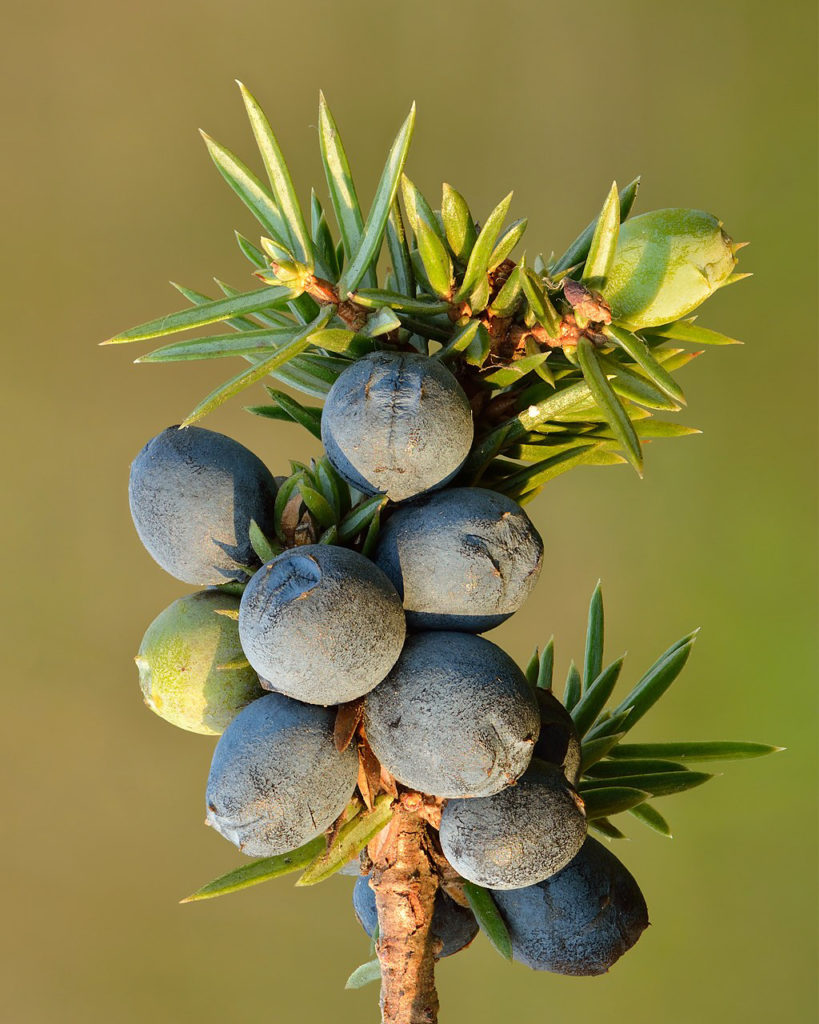
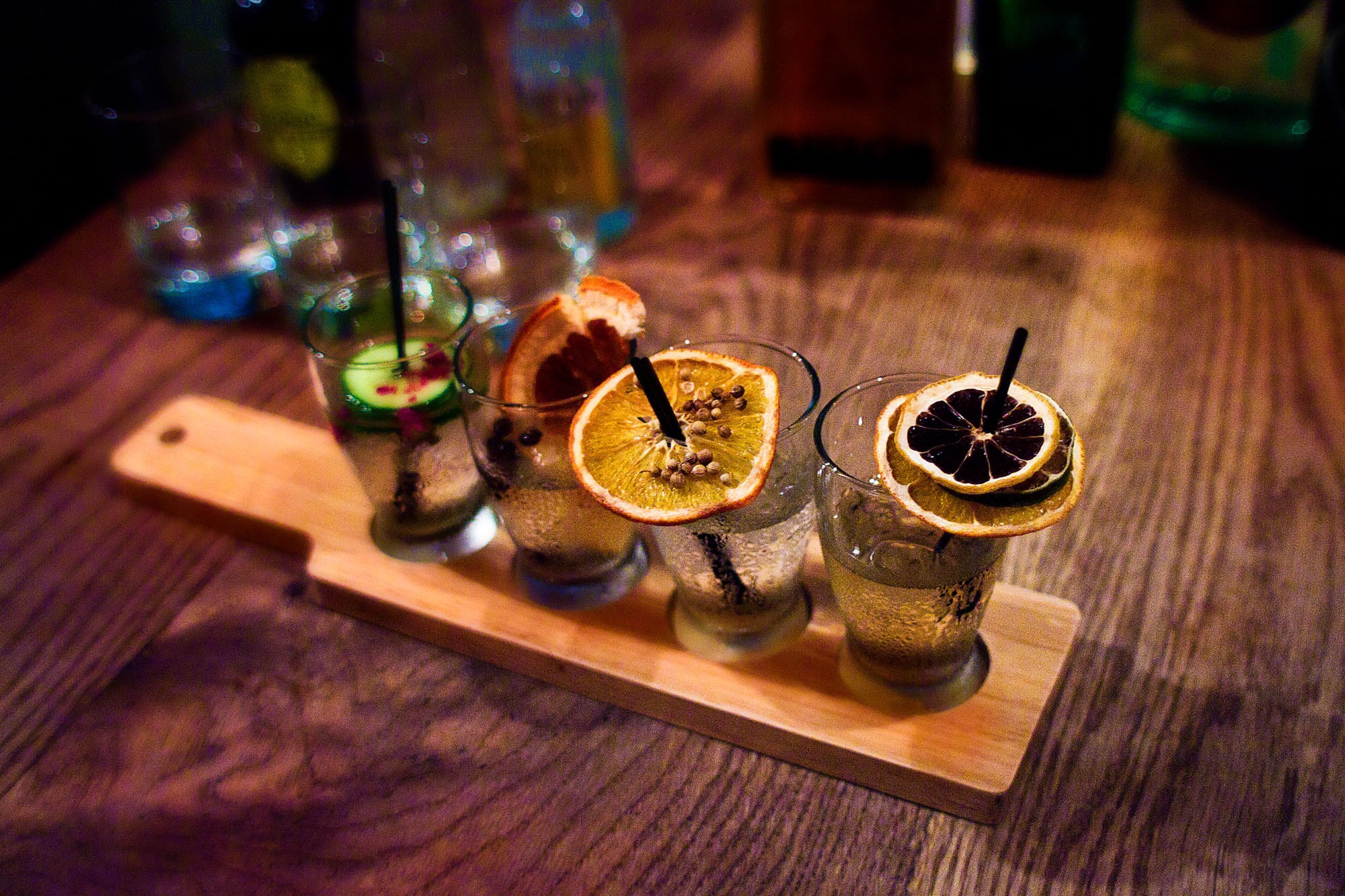
A good gin and tonic looks simple from across the room. Clear spirit, chilled tonic, ice, citrus. Then you sit at the bar, watch a skilled bartender build one with intention, and the drink reveals how much range it really has. The shape of the glass matters. The style of gin matters more than most people realize. Tonic can sharpen, soften, sweeten, or flatten the whole thing. Even the garnish can change what you think you are tasting before the liquid reaches your mouth.
That is why a serious Gin Bar is such a pleasure. It turns one of the most familiar highballs into a study in balance. I have spent enough evenings in dedicated gin bars to know that the best menus do not just list brands. They quietly teach you how botanicals behave, how carbonation carries aroma, and how a tiny change in bittering or citrus oil can make one serve feel bracing and another feel plush and almost floral.
If you usually order a standard London dry with tonic and lime, there is nothing wrong with that. It remains a benchmark for a reason. But if you are standing in front of Gin Bar a shelf lined with bottles from different countries, each built around a different botanical philosophy, it makes sense to branch out. Some gin and tonic variations are crowd-pleasers. Others are more challenging and worth trying at least once, especially when a bartender can steer you toward the right version for your palate.
What makes one gin and tonic feel entirely different from another
A classic gin and tonic sits on a handful of variables. Start with the gin itself. A juniper-heavy London dry gives you pine, citrus peel, coriander spice, and a firm backbone. A contemporary gin might pull back on juniper and push grapefruit, cucumber, lavender, olive, sea herbs, or pepper. Old Tom gin adds a touch of sweetness and a rounder texture. Navy strength gin delivers a punchier aromatic profile, and if handled well, it can make the tonic seem brighter rather than stronger.
Then there is the tonic. This is where many home pours go wrong. Bartenders at a good Gin Bar do not treat tonic as generic filler. Some tonics are intensely bitter and dry, with sharp quinine and little residual sugar. Others are softer, more citrus-led, or lightly floral. Premium tonics often have finer carbonation, which affects mouthfeel just as much as flavor. A high-quality tonic can hold structure longer in the glass, especially over large, cold ice.
Temperature is not a side detail. When glass, gin, and tonic are properly chilled, bitterness tastes cleaner and botanicals show more definition. Dilution arrives more slowly, which matters because a gin and tonic that starts perfectly balanced can become flat and vaguely sweet after ten minutes if the ice is poor or the pour is warm. I have seen excellent gins blamed for lifeless drinks when the real culprit was a half-melted well of ice and tonic that had lost its fizz before it hit the glass.
Garnish is the final lever. It is easy to dismiss garnish as decoration, yet aroma drives a huge share of flavor perception. Lemon makes a gin and tonic seem brisker. Lime pushes it toward sharper, greener territory. Grapefruit adds bitterness and perfume. Herbs like rosemary or thyme can smell beautiful, but they are not always the right move. Too much rosemary, for example, can dominate a delicate floral gin in less than a minute.
The classic London dry and Indian tonic, still the benchmark
If a Gin Bar cannot make this well, do not order the more adventurous stuff.
The classic version, London dry gin, premium Indian tonic, plenty of solid ice, and a clean wedge or peel of lemon or lime, remains the best reference point on any menu. It lets you calibrate your palate. You can feel the juniper, the cinchona bitterness, the citrus lift, and the texture of the bubbles in a direct way.
The best versions avoid two common mistakes. First, they do not drown the gin. Some bars pour a timid measure and then fill a giant balloon glass with tonic until the spirit disappears. Second, they do not over-garnish. One citrus note, thoughtfully chosen, is enough. I tend to prefer lemon with a crisp London dry because it keeps the juniper line taut. Lime can work, especially if the gin is already citrus-forward, but it can also make some combinations taste narrower.
This is also the variation that shows whether a bartender understands proportion. There is no single universal ratio, but most excellent serves live in a range where the gin remains clearly present. If you taste only tonic, the drink is underbuilt. If the alcohol heat overrides the bubbles and bitterness, it is overbuilt. The sweet spot is the point where bitterness refreshes rather than punishes.
Mediterranean style, softer edges and savory lift
One of the most popular departures from the classic profile uses a gin built around Mediterranean botanicals, paired with a lighter tonic and savory garnish. Think rosemary, basil, olive, thyme, or even a strip of cucumber, depending on the gin.
When done well, this style feels airy and sunlit. You get less pine-needle force from juniper and more herbal complexity. It is an excellent option for drinkers who find standard gin and tonic too sharp or too bitter. A bartender once poured me a Mediterranean gin with a restrained tonic and a single basil leaf gently pressed between the fingers before it hit the glass. The aroma was immediate but not aggressive. Every sip carried a savory freshness that made the drink feel almost food-friendly, especially alongside salted almonds and citrus-marinated olives.
The trade-off is that savory garnishes can crowd the drink if the gin is subtle. Olive in particular is tricky. In the right gin, it creates a compelling saline accent. In the wrong one, it can make the whole serve feel blunt. If you order this style, ask the bartender whether the garnish is there to support the gin or simply because the menu description sounds interesting. Good bartenders appreciate that question.
Citrus-forward gin and tonic, the crowd-pleaser that rarely disappoints
For people who say they “like gin but not too piney,” a citrus-led variation is often the best next step. This can be built with a gin that emphasizes grapefruit, orange, lemon peel, or yuzu, then matched with a tonic that stays dry enough to preserve definition.
Grapefruit is the star garnish in many of these serves, and for good reason. Its oils smell expansive and slightly bitter, which makes the drink seem more aromatic before you even taste it. Orange can be gorgeous too, particularly with gins that include warmer spices like cardamom or cassia. Lemon generally keeps the drink tighter and more classic.
The key is restraint. A thick grapefruit wedge dumped in the glass can flood the drink with pithy bitterness over time. A neatly expressed peel often works better. That is the sort of detail a seasoned Gin Bar tends to get right. You end up with a drink that is vivid and approachable, without sliding into soft-drink territory.
This is also an easy pairing for food. Fried seafood, light salads, goat cheese, roast chicken skewers, and even simple potato chips all work surprisingly well because the drink’s bitterness cuts fat while the citrus keeps the palate awake.
Cucumber and garden herbs, refreshing when handled with discipline
There was a stretch when cucumber gin and tonic serves became so fashionable that some bars treated them like a shortcut to sophistication. The problem was not the idea. The problem was excess. Too much cucumber turns the drink watery and vegetal, especially as the ice melts.
When the base gin is already cool and green in character, a thin ribbon of cucumber or one clean slice can be enough. Pair that with a gentle tonic and perhaps a restrained herb note like mint or dill, and the result can be strikingly fresh. This style suits warm weather and early evening drinking better than almost any other variation I know. It is also one of the easiest to overdo.
If you are ordering it at a Gin Bar with a long menu, pay attention to whether the gin itself is carrying the cucumber note or whether the bar is adding cucumber to a conventional gin. The former usually tastes more integrated. The latter can work, but it needs a lighter touch. I have had memorable versions with cucumber, cracked black pepper, and a dry tonic that felt tailored and adult. I have also had versions that tasted like spa water with alcohol. The difference was usually balance, not ingredients.
Floral styles, elegant but easier to get wrong
Floral gin and tonic variations can be beautiful. They can also become perfumed, soapy, or vaguely cosmetic if the bartender loses the thread. That does not mean you should avoid them. It means you should choose them in the right setting, ideally at a bar that treats floral notes as accents rather than a dare.
A gin with notes of elderflower, violet, chamomile, rose, or lavender can make a tonic serve feel almost weightless. The best examples are subtle, with juniper still visible underneath the bloom. A light tonic is usually the better match here. A very bitter tonic can make some floral gins taste disjointed, while a sweeter one can turn them cloying.
Grapefruit peel often works better than a flower petal garnish, because it gives needed bitterness and structure. Edible flowers look lovely, but they rarely improve the drink as much as a well-chosen citrus expression. One bartender I trust refuses to use dried lavender sprigs in a gin and tonic despite customer demand. His reason is practical: after a minute or two, the aroma dominates everything else. That kind of judgment is worth listening to.
Navy strength gin and tonic, for when you want structure and intensity
Navy strength sounds like a challenge drink, but that is not quite fair. Yes, it is stronger, often landing around 57 percent ABV rather than the low-to-mid 40s of standard gin. But a well-made navy strength gin and tonic is not simply boozier. It can be more articulate.
The higher proof carries botanicals with unusual clarity. Juniper feels deeper, citrus oil pops harder, and spice notes can travel farther across the palate. With the right tonic and enough cold, hard ice, the drink stays expressive to the last sip. It is especially good when you want your highball to keep pace with richly seasoned food.
That said, navy strength is not always the smartest first order of the night. If the bar uses a standard tonic ratio and a giant bowl glass, the alcohol can read hot rather than aromatic. I tend to ask for a slightly shorter serve when ordering this variation, sometimes with a grapefruit peel instead of a lime wedge, because it keeps the structure taut. A skilled bartender will already be thinking along those lines.
Pink gin and tonic, worth trying if the bar takes it seriously
Pink gin still suffers from its own reputation. At weaker bars, it becomes a sugary, photogenic drink with little botanical character. At a proper Gin Bar, pink gin can be far more interesting.
Some pink gins draw their color and flavor from berries like raspberry or strawberry. Others lean on rhubarb, hibiscus, or red fruit botanicals with a drier backbone. The better versions avoid candy-like sweetness. Paired with a tonic that keeps bitterness in the foreground, they can feel bright and refreshing rather than juvenile.
This is where garnish matters more than people expect. Strawberry as a garnish can push the drink into dessert territory unless the base spirit is very dry. A twist of lemon or a few fresh raspberries often does a better job. If the bartender suggests a tonic with reduced sweetness, take that advice. It usually means they are trying to preserve the gin rather than cover it.
Pink serves are often the bridge drink for someone who says they do not usually drink gin. They are accessible, but when chosen well, they still show enough structure to reward close attention.
Spiced and seasonal variations that belong in colder weather
Not every gin and tonic has to chase summer. Some of the most satisfying versions use spice, orange, and herb notes to give the drink a cooler-weather profile. Think gins with cardamom, cassia, clove, black pepper, or frankincense-like resinous notes, balanced with a dry tonic and orange peel.
This style can feel almost festive without becoming gimmicky. The best ones remain refreshing. They do not turn into potpourri in a glass. Orange peel is often the right garnish because it supports spice while adding lift. Cinnamon sticks appear on menus all the time, but they are mostly visual. In the glass, they can be clumsy and slow to contribute anything worthwhile.
A bartender at a winter pop-up once served a spiced gin and tonic with charred orange peel, black pepper, and a tonic that had enough bitterness to keep the whole thing from drifting sweet. It worked because every element had a purpose. It smelled warming, but it still drank like a highball. That balance is harder to achieve than it looks.
How to order well at a Gin Bar
The easiest way to get a great drink is to give the bartender useful information. “I want something different” is less helpful than people think. “I like dry, bitter drinks with citrus” or “I prefer softer, more floral serves” gives the bar team something they can actually work with.
A few prompts consistently lead to better recommendations:
- Say whether you prefer juniper-forward or modern, less piney gin.
- Mention your tolerance for bitterness, because tonic style changes everything.
- Ask whether the garnish is meant to change the drink or simply echo it.
- If you dislike sweetness, say so early, especially with pink or floral options.
- Tell them what you are eating, if you are ordering food.
Those five points can turn a random order into a drink that feels tailored. Bartenders in specialist bars usually enjoy this conversation. They spend a lot of time tasting combinations and watching which ones actually land with guests.
A few combinations that reliably impress
There is no universal best gin and tonic, but certain combinations have a strong track record because their parts support each other instead of competing.
London dry gin with Indian tonic and lemon remains unbeatable for clarity. A Mediterranean gin with light tonic and basil works beautifully when the garnish is restrained. Grapefruit-led contemporary gin with dry tonic and grapefruit peel is hard to fault if you like aromatic bitterness. Navy strength gin with premium tonic and grapefruit or lemon rewards anyone who wants intensity without sweetness. A dry pink gin with a low-sugar tonic and lemon is often more sophisticated than it sounds.
Notice what is missing from that set: overloaded garnishes, sugary mixers, and novelty for novelty’s sake. At a serious Gin Bar, the best variation is usually the one that expresses a clear idea and follows through.
Why glassware and ice deserve more respect
This seems fussy until you taste the difference side by side. A large copa-style glass is popular because it holds plenty of ice and concentrates aroma near the rim. Used properly, it is not just aesthetic. It helps preserve chill and gives garnish room to contribute fragrance without crowding the liquid. But bigger is not automatically better. If the bar uses too much tonic in a huge glass, the drink can become dilute in flavor even while staying cold.
Ice quality might matter even more. Dense, fresh ice melts more slowly and keeps carbonation lively. Hollow, frosty ice collapses quickly and waters everything down. You can see this happen in busy venues where the first sip tastes precise and the fourth tastes vague. The best gin bars build drinks over enough ice that the liquid chills fast and stays stable.
There is also a practical lesson for guests: do not let a carefully made gin and tonic sit while you chat for fifteen minutes. This is a drink that rewards attention early. It evolves, but not always for the better.
The pleasure of trying the same serve with one variable changed
One of the smartest things you can do at a Gin Bar is order two versions of roughly the same idea on different visits. Keep the gin constant and change the tonic. Or keep the tonic and switch from lime to grapefruit. Those comparisons teach you more than reading any menu note.
I once tasted the same juniper-forward gin with two tonics, one aggressively bitter and one softer and more citrus-led. The first made the gin feel almost alpine, all pine and peel. The second pulled out coriander and orange notes I would not have noticed otherwise. Neither drink was objectively better. They simply told different truths about the same spirit.
That is the real appeal of exploring variations. You are not just collecting novelty. You are learning how a familiar drink can shift shape with small, intentional adjustments. Once you experience that in a well-run Gin Bar, the generic gin and tonic starts to feel like a missed opportunity.
The variation to try next
If you normally order classic London dry and tonic, move one step sideways rather than three. Try a citrus-forward contemporary gin with a dry tonic and grapefruit peel. It will still feel recognizably like a gin and tonic, but you will notice more fragrance and a slightly broader palate.
If you tend to avoid gin because you think it tastes like pine needles, ask for a Mediterranean or cucumber-led style, but tell the bartender you want it dry and not over-garnished. If you enjoy stronger, more structured drinks, try navy strength with a measured pour and a tonic chosen for crisp bitterness rather than sweetness. If you are curious about pink gin, look for one described as dry or berry-led rather than candy-like.
A capable Gin Bar gives you room to explore without gambling on a full miss. That is part of its charm. The menu may be extensive, but the logic behind the best orders is simple: match the gin’s character to the tonic’s bitterness, keep the garnish purposeful, and respect the role of temperature and dilution. Get those details right, and the gin and tonic stops being a default Gin Bar order and becomes one of the most versatile drinks in the room.
The Winslow
243 E 14th St
New York, NY 10003, United States
Phone: +1 212-777-7717
FAQ About Gin Bar
How to do a gin tasting?
Start with a small pour and gently smell the gin before taking a small sip. Notice its juniper, citrus, floral or spice notes, then compare how the flavor changes with a little water or tonic. At a gin bar, ask the bartender to explain the selection and botanical pairings.
How to make the best tasting gin and tonic?
Use chilled gin, fresh tonic and plenty of ice. A common starting ratio is one part gin to two parts tonic, adjusted to taste. Choose a garnish that complements the gin's botanicals and stir gently to preserve the bubbles.
What is the smoothest tasting gin?
There is no single smoothest gin for everyone. Perceived smoothness depends on the botanical recipe, alcohol strength, serving temperature and mixer. Describe whether you prefer citrus, floral, herbal or juniper-forward flavors so a bartender can suggest a suitable style.